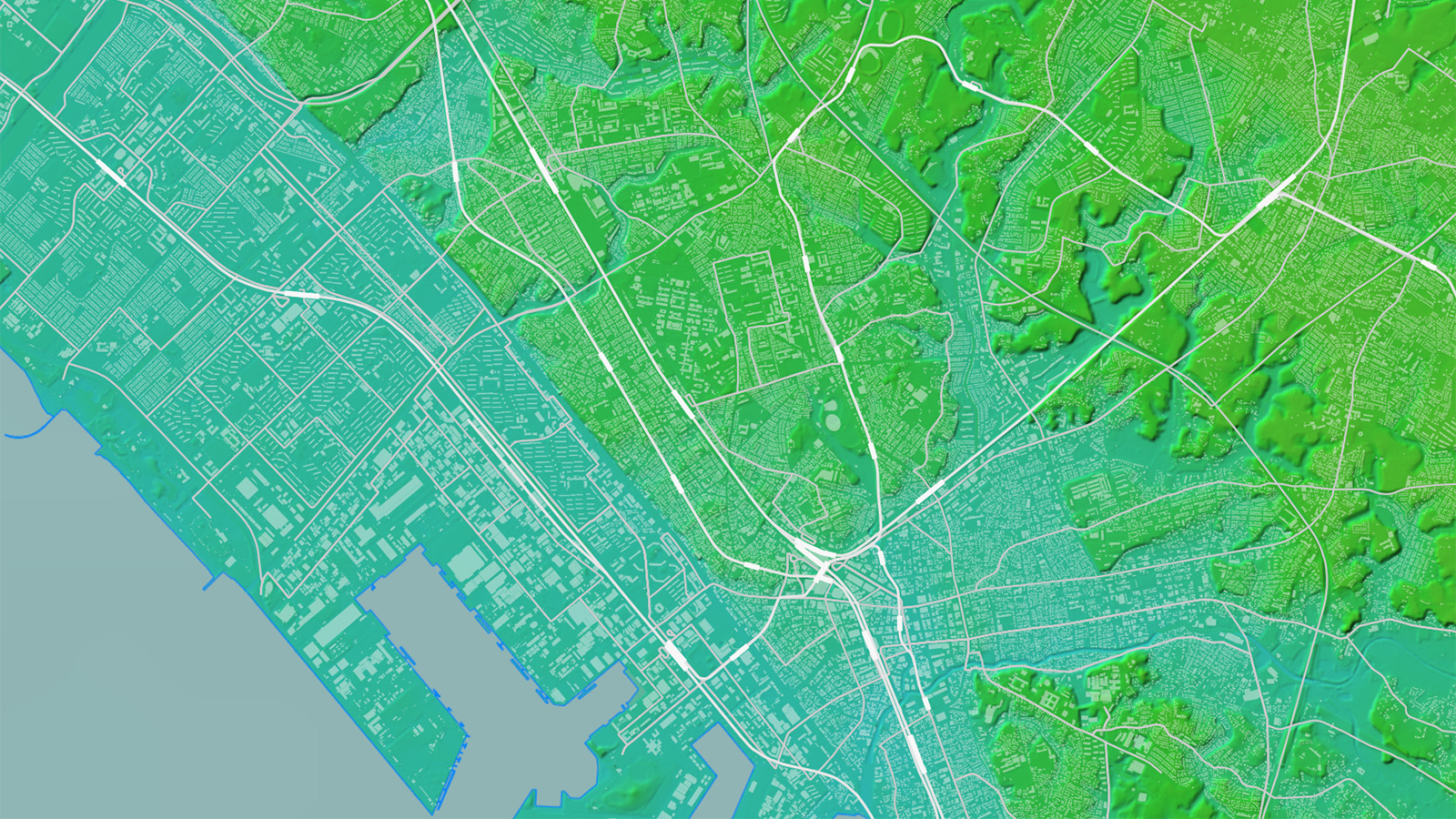
都市環境の変化を自然実験として捉え、新規転入者と先住者を含む多世代を対象に、都市開発前後の健康や行動の変化を縦断的に評価しています。歩行環境、緑地、商業施設、公共交通、住環境、社会関係といった複数の要素が相互に作用する都市空間を対象とし、長期追跡調査やデジタル技術を用いたデータ収集を進めています。(LINKAGE Study)。
また、民間主導の都市開発と連携し、健康を支える空間要素を整理し、科学的エビデンスと対応づけたデザインコードとして体系化しています。設計や運営に反映可能な指針として提示している点に特徴があります(Health-oriented Urban Design Code for Smart Town Development)。
さらに、医療施設の移転や新駅設置を契機とした都市開発では、行政と協働しながら、医療、自然環境、歩行空間、公共交通、コミュニティ活動を統合した健康志向型の都市構想を検討しています(Funabashi Medical Town)。
都市・空間デザインへの視座
場のデザインや建築デザイン で得られた知見を、都市全体の構造や配置、ルールに組み込む役割を担います。小規模な介入や建築単体での健康配慮は、都市スケールのネットワークと結びつくことで、より広範な行動変化や健康影響につながります。計画・設計・運営の各段階で健康影響を検討し、必要に応じて改善を重ねるプロセスを組み込むことが、健康を考慮した都市づくりにおいて重要です。本エリアのプロジェクトは、研究と実装を往復しながら、都市の意思決定に健康の視点を組み込むことを目指しています。
Overview
This area examines how urban-scale development and redevelopment relate to health, behavior, and well-being. We connect planning, design, and management with health-related outcomes and subjective evaluations, and aim to propose evidence-based approaches to urban design.
Detail
Urban environmental change is treated as a natural experiment. Longitudinal studies track changes in health and behavior before and after development among both new residents and long-term inhabitants. We consider urban environments where multiple elements interact—walkability, green space, commercial facilities, public transportation, housing conditions, and social relationships—and collect data through long-term follow-up and digital methods (LINKAGE).
In collaboration with private-sector smart town development, we have organized spatial factors that support health and systematized them into urban design codes linked to scientific evidence. A key feature is presenting actionable guidance that can be reflected in design and operation, rather than abstract principles (Health-oriented Urban Design Code for Uraban Development).
In addition, in projects triggered by healthcare facility relocation and new station development, we work with local governments to examine health-oriented urban concepts that integrate healthcare, nature, walkable spaces, public transportation, and community activities (Funabashi Medical Town).
Perspective for Urban / Spatial Design
Urban Design plays a role in embedding insights from Place Design and Architectural Design into city-wide structures, layouts, and rules. Small-scale interventions and building-level health considerations can generate broader impacts when integrated into urban networks.
It is also important to incorporate iterative assessment and improvement across planning, design, and operation phases. Projects in this area aim to embed health perspectives into urban decision-making through cycles that connect research and implementation.
Related Projects
- LINKAGE: Longitudinal Evaluation of Health and Well-being in Urban Development(都市開発に伴う健康・ウェルビーイングの縦断評価研究)
- Health-oriented Urban Design Code for Urban Development(スマートタウンにおける健康志向型都市デザインコード)
- Funabashi Medical Town: Health-centered Urban Redevelopment(ふなばしメディカルタウン:健康を軸とした都市再開発)